Grow sweet marjoram in a sunny position with freely draining soil or potting mix. Help young plants establish without drying out, then check the root zone before watering established plants. Take small leafy harvests during active growth, and protect the plant from frost and prolonged wet conditions.
The plant to look for is sweet marjoram, Origanum majorana. Its name is often confused with oregano and other related herbs. This guide explains what to buy, how to grow it in a bed or container, and how to keep useful leafy growth coming without treating every plant or season the same way.
🌿 In this guide
- What sweet marjoram is
- Why grow marjoram?
- 🌱 Beginner checklist
- 📅 Seasonal growing calendar
- How to grow marjoram
- Choose the next care action
- ⚠️ Common mistakes
- 🛠 Common problems and troubleshooting
- Harvesting, preserving and using marjoram
- 🌿 Frequently asked questions
- 🌿 Continue learning
🌿 Grow Herb Lab quick facts
| Feature | Practical guide |
|---|---|
| Botanical name | Origanum majorana, in the mint family. [1] |
| Lifespan | Tender perennial; often grown as an annual where winters are too cold. [2] |
| Light | Start with a sunny position; assess the actual light reaching the plant. [8] |
| Growing medium | Freely draining garden soil or suitable container mix; avoid persistent saturation. [8] |
| Watering | Support establishment; adjust later watering to moisture, weather and growing space. [3] |
| Size | Commonly around 30–60 cm tall, depending on conditions and pruning; allow room for branching. [2] [4] |
| Main use | Aromatic culinary leaves, fresh or dried. [5] |
What sweet marjoram is
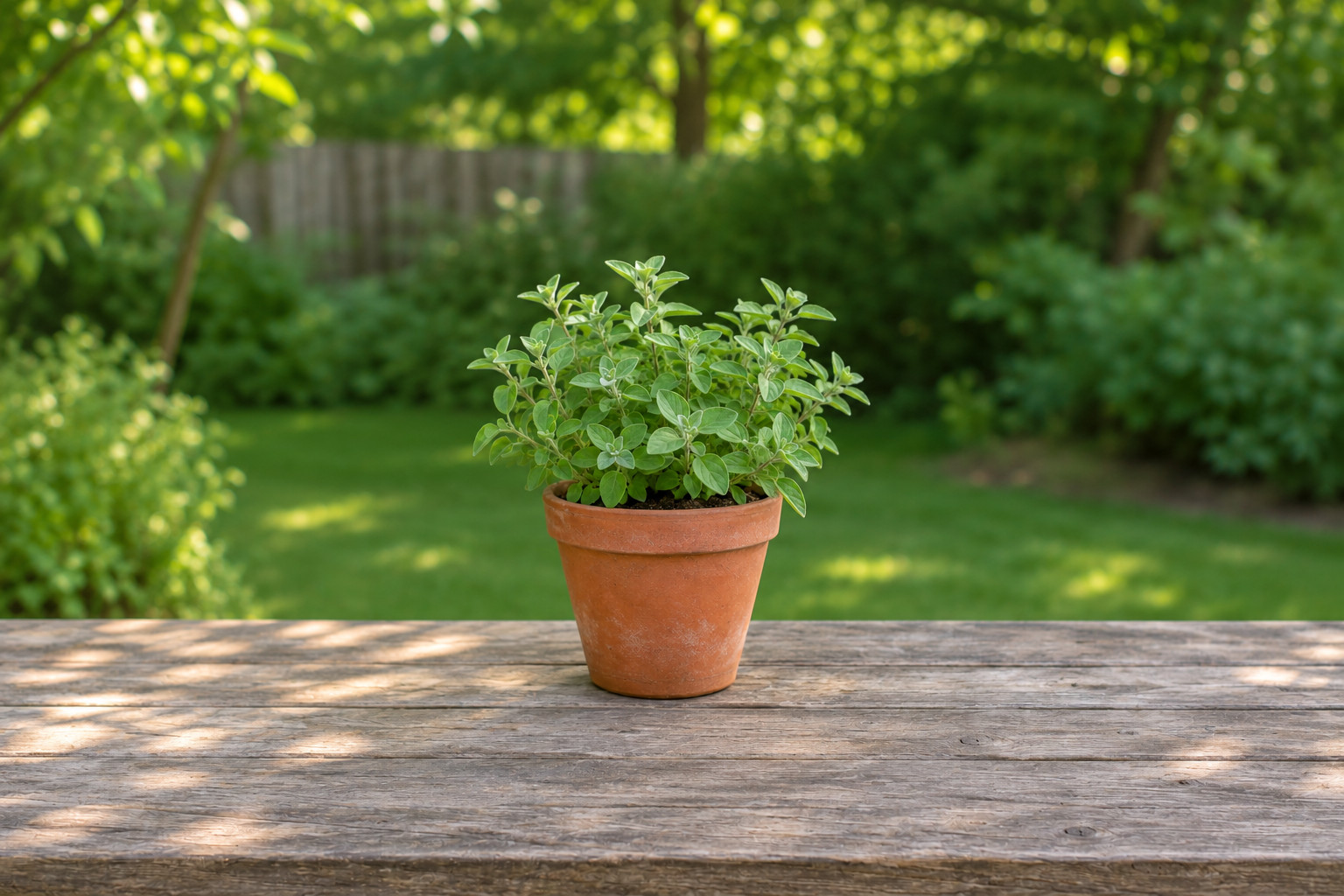
Sweet marjoram has small, softly hairy, grey-green leaves and branching stems that may become woody near the base. Developing flower clusters form little knots before the spikes lengthen. These features help explain the alternative name “knotted marjoram”. [1]
Read the botanical label before buying a plant for the kitchen. “Marjoram” can refer to more than one Origanum, and the same common name can be attached to different plants.
| Name on the label | What to check |
|---|---|
| Sweet marjoram | Look for Origanum majorana, the subject of this guide. |
| Oregano or wild marjoram | Often Origanum vulgare or one of its forms; use the dedicated oregano guide. |
| Pot marjoram | An ambiguous common name. Check the botanical name rather than assuming it is sweet marjoram. |
Royal Botanic Gardens Victoria records this naming confusion, including plants offered under the pot-marjoram name. That historical account is a reason to check labels, not a current list of what Australian nurseries stock. [1]
For the related growing guide, see how to grow oregano. The two herbs are related, but sweet marjoram is not simply another name for every culinary oregano.
Why grow marjoram?
Sweet marjoram offers a milder, sweeter flavour than the oregano familiar to many cooks. A few leaves can be useful in egg dishes, soups, vegetables and tomato-based meals. Growing a plant gives you the option of picking a small amount when you need it. [5]
It suits a beginner who can provide good light and working drainage. A container is useful when you need to change its position or protect it during cold weather. A dark indoor shelf or a bed that remains soggy after rain gives you a much harder starting point. [2] [6]
🌱 Beginner checklist
Before planting:
- Confirm that the label identifies Origanum majorana.
- Choose a position with useful direct sunlight.
- Check where excess water will go after rain or watering.
- Decide whether to start with a young plant, seed or a cutting.
- Plan how you will check a small root ball while it establishes.
- Identify your main seasonal difficulty: frost, prolonged rain, heat or limited winter light.
- Wait for healthy growth before taking regular kitchen harvests.
One well-positioned plant is a useful way to learn its needs. You can start more later once you know how it behaves in your growing space.
📅 Seasonal growing calendar
Use growth and weather as the starting point. Australia has no single planting month that suits every district. The calendar below is a practical adaptation of sweet marjoram’s light, frost and drainage requirements. [2] [8]
| Conditions in your garden | Main task |
|---|---|
| Cool or frost-prone district, approaching the end of frost risk | Start plants under suitable protection if needed; acclimatise them before planting outside once frost risk has passed. |
| Mild conditions with active new growth | Establish plants, check water use and begin light harvesting when there is enough growth. |
| Hot, drying weather or strong wind | Check container moisture more often. Assess the plant and pot exposure before changing watering. |
| Humid district or prolonged rainy period | Check drainage and avoid adding water to already wet mix. Keep pots from standing in collected water. |
| Cold weather, short days or little new growth | Reduce harvesting. Protect from frost and reassess watering as the plant uses moisture more slowly. |
In subtropical and tropical districts, consider both the wet season and local cool-season conditions when choosing a planting window. In a cold district, the option of moving a pot may matter more than keeping the plant permanently in a bed. These are decisions to make from local conditions, not promises that a plant will survive every season.
Northern Hemisphere adaptation: use the same frost, rainfall and growth checks in your local seasons. Do not copy Australian months or move a plant outside just because a calendar says spring. The herb climate and hardiness guide explains the wider decision.
How to grow marjoram
Choose a plant or starting method
A labelled young plant lets you begin with an established root system and inspect its condition before buying. Seed is useful when you want several plants. Cuttings are another option when you already have a healthy, correctly identified parent plant. Sweet marjoram can be propagated from seed or cuttings. [5]
Choose a nursery plant with healthy leafy growth. Inspect leaf undersides and avoid choosing a plant solely because it is the largest one on the shelf. Keep the label so you can refer to its identity and any cultivar-specific advice later.
Choose a suitable position
Full sun is the usual starting recommendation. Good drainage is equally important: the plant’s tolerance of established dry conditions does not extend to saturated soil. [8]
Look at the position across the day. A spot that appears bright when you plant may be shaded for much of the growing period. For a movable pot, you can assess light, wind and exposure before committing to a permanent position. If a plant struggles during extreme heat, check the root zone and the heat around its container instead of assuming it needs more water.
Prepare soil or a container
Choose soil that drains after watering rather than remaining waterlogged. If your bed repeatedly collects water, a suitable container may give you better control. Adding more irrigation is not a solution to a drainage problem. [8]
For a container, use a quality potting mix and a pot with drainage holes. Match it to the root ball and allow space for growth; a very large volume of wet mix around a small plant can make moisture harder to manage. A separate pot also lets you water marjoram according to its own needs. [6]
Watch the plant as roots fill its growing space. A small starter pot is a starting arrangement, not a guarantee of enough room indefinitely. The soil guide explains the difference between garden soil, container mix and drainage amendments.
Sow seed or plant out
Follow the instructions for the named seed you have. As one species-specific method, the RHS recommends scattering marjoram seed on moist seed compost without covering it. It reports good germination around 20°C and seedling appearance in roughly one to three weeks under suitable conditions; these are guidance, not a deadline. [3]
Keep the sowing surface from drying while avoiding saturation. Once seedlings emerge, provide good light. Move them on when they can be handled safely and have developed several leaves. Acclimatise protected plants gradually before outdoor planting. [3]
Where frost occurs, plant seedlings outside after the danger has passed. [9] For a nursery plant, use this basic transplanting sequence:
- Prepare a space that accommodates the root ball without forcing it into a narrow hole.
- Support the root ball as you remove the pot, and set the plant at its previous growing depth.
- Refill around it, firm gently and water it in. Check the root ball while it establishes. [10]
Allow room for the labelled plant’s mature spread rather than crowding several small plants together. For the general principles behind sowing depth and emergence, see herb seed germination; its comparison table covers other herbs, not a separate marjoram schedule.
Water according to growth stage
Young plants need establishment care; established bed plants and pots do not lose moisture at the same rate. The RHS distinguishes watering newly planted marjoram from caring for established plants, and notes that containers can dry quickly in warm, sunny conditions. [3]
Check the growing medium below its surface where you can do so without damaging roots. For a manageable pot, its weight can add useful context. A dry crust alone does not tell you how wet the root ball is underneath.
When water is needed, wet the root zone and let excess drain away. If the pot is still wet, investigate the conditions before adding more. The aim is neither constant saturation nor repeated severe drought. Moderate moisture and free drainage are compatible: water can be available to roots without the growing medium remaining soggy. [9] [8]
Use the herb watering guide for the full checking method, particularly when the season, pot size or growing position changes.
🌿 Grow Herb Lab framework: What does this marjoram need next?
Use this observation-and-action sequence before changing its care:
- Identify its stage. Is it a seedling, a recently planted herb or an established plant?
- Check the root zone. Is the medium dry, suitably moist or persistently wet? Does excess water escape?
- Check what changed. Consider light, temperature, rain, wind, repotting and recent harvesting.
- Choose the matching action. Water a dry root ball; investigate persistent wetness; assess light and pests if moisture does not explain the problem.
- Watch the next growth. Judge whether the response improves before making several more changes.
This is a practical care framework, not a diagnosis from one symptom. A wilted plant in wet mix needs a different investigation from a light, dry pot. If the evidence is unclear, gather more observations rather than adding water, fertiliser and pest treatments together.
Feed with restraint
Garden plants in suitable soil may need little supplementary feeding. A plant kept in the same container mix needs a separate assessment; the RHS notes a benefit from feeding longer-established container plants. [3]
Check whether the potting mix already contains fertiliser and follow the directions of any product you use. Do not feed simply because leaves have yellowed: first check moisture, drainage and growing conditions. Fertiliser does not restore light to a shaded plant or drainage to a saturated pot.
Pinch, prune and propagate
Pinching stem tips encourages branching. [4] On an actively growing plant, a small kitchen harvest can serve the same purpose: snip a leafy tip just above a pair of leaves and retain enough foliage to support continued growth. Take less from a small or stressed plant.
Trim during the growing season to maintain a compact plant, rather than allowing all stems to become long and woody. Avoid treating a hard renovation cut as routine harvesting. [9]
To make another plant, take suitable healthy soft growth from a correctly identified parent. The herbs from cuttings guide explains preparation, rooting and the transition to independent growth. Keep the parent’s condition and the cutting’s needs separate from the care of a mature potted herb.
Grow indoors with realistic expectations
Marjoram can grow indoors, but useful light and pest monitoring matter. A room can look bright to you while supplying too little light for productive leafy growth. Iowa State places marjoram among herbs that can succeed indoors but deserve more attention to light or pests. [6]
In Australia, start by assessing an unobstructed sunny window, often a north-facing one. Buildings, eaves, glass and the season affect what actually reaches the leaves. Where natural light is inadequate, a suitable grow light is an option; use its manufacturer’s placement guidance. Reduce harvests when regrowth slows instead of expecting the same crop as an actively growing outdoor plant.
Before cold weather arrives, decide whether to protect a container or grow a replacement next season. Moving a tender perennial indoors gives you an option, not a guarantee of successful overwintering. [8] The herb lifespan reference explains why botanical lifespan and useful garden performance can differ.
⚠️ Common mistakes
- Buying by common name alone: retain the botanical label and check what you are growing.
- Drying out a young plant because mature herbs tolerate drought: monitor the small root ball while it establishes.
- Watering every pot on the same day: check each plant’s medium and recent conditions.
- Feeding every struggling plant: investigate light, roots and moisture first.
- Harvesting faster than it regrows: leave healthy foliage and wait for replacement growth.
- Assuming perennial means frost-proof: make a protection or replacement plan for your climate.
🛠 Common problems and troubleshooting
Use the table to choose your first check. Several causes can occur together; the appearance of leaves alone does not establish a diagnosis.
| What you notice | Possible explanations | First useful check or action |
|---|---|---|
| Wilting or yellowing with wet mix | Persistent saturation, poor drainage or impaired roots | Stop adding water to wet mix; check drainage and the root zone. Saturated conditions can cause rot. [8] |
| Wilting with a very light, dry pot | Water shortage or a small root ball drying rapidly | Water if the root zone is dry, let excess drain and reassess exposure and pot size. |
| Long, weak growth | Insufficient light or unsuitable growing conditions | Compare the current position with the plant’s light needs; use the leggy herbs guide for a wider check. [6] |
| Little regrowth after picking | Heavy harvesting, slow seasonal growth or another stress | Pause harvesting; check remaining foliage, light and moisture before feeding. |
| Sticky, distorted or finely speckled foliage | Pest activity or another source of damage | Inspect new growth and leaf undersides. Aphids and spider mites can affect sweet marjoram; confirm what is present. [2] |
For compatible speckling or webbing, follow the inspection steps in spider mites on herbs. Do not select a treatment merely because one symptom resembles a photograph.
Harvesting, preserving and using marjoram
Pick for continued growth
Begin when a plant has enough healthy growth to spare. Snip a few leafy tips rather than stripping the plant bare, and let its response guide the next harvest. Perennial herbs are generally harvested more lightly than leafy annual crops. [7]
For a leaf crop, harvest before flowering for good flavour. You can also leave some stems to flower for visiting beneficial insects; not every stem must serve the same purpose. [9]
Use fresh leaves or dry a small surplus
Add fresh marjoram to food where you want its gentler flavour. Egg dishes, vegetables and soups are useful places to begin. Try a small amount, then adjust to your taste. [5]
To dry a surplus, use clean, healthy material. Small loose bundles or a single layer on a tray allow air to circulate; humidity affects the time needed. Once leaves are completely dry, store them in an airtight container away from heat and light. Do not seal damp leaves and assume they will finish drying in the jar. [7]
Use a correctly identified culinary plant and follow any product label’s harvest directions if the plant has been treated. Growing it yourself does not remove those checks.
🌿 Frequently asked questions
Is marjoram the same as oregano?
Not necessarily. This guide covers Origanum majorana. Oregano commonly refers to O. vulgare and related culinary forms. Shared common names make the botanical label more useful than the name alone. [1]
Is marjoram an annual or a perennial?
Sweet marjoram is a tender perennial, but it is often grown as an annual in cold-winter conditions. Perennial describes its potential growth cycle, not a guarantee that it survives your winter. [2]
Can I grow it on a kitchen windowsill?
Possibly, if the position supplies enough useful light and you manage watering and pests. Judge the plant’s regrowth. A convenient location is not always a productive one. [6]
Should I remove the flowers?
For tender leafy growth, you can pinch off developing flowers. Alternatively, leave some stems to bloom and harvest from others. Decide whether your main aim is leaves, flowers or a mixture. [9]
How much can I harvest?
Start small and keep healthy leaves on the plant. If replacement growth is slow, take less or pause. A fixed harvest amount is less useful than checking the size and condition of the plant in front of you.
Why is it struggling when I water regularly?
Regular watering does not prove the plant needs more water. Check whether the root zone is already wet, whether the pot drains and whether the light is suitable. Then use the framework and troubleshooting table to choose the next investigation.
🌿 Key takeaways
- Identify sweet marjoram by its botanical name.
- Provide sun and working drainage, with care suited to the growth stage.
- Base watering and harvesting on observations rather than a fixed calendar.
- Protect a tender plant from unsuitable cold and wet conditions.
- Keep enough healthy growth for the next harvest to develop.
🌿 What success looks like
A plant is making useful progress when it produces healthy new leafy growth, branches after appropriate tip harvesting and continues growing between harvests. The aim is a manageable herb that supplies small amounts for the kitchen. Size, speed and winter survival will vary with conditions.
🌿 Continue learning
🌿 Related growing guides
- Oregano growing guide — identify and grow the related herb with its own cultivation guidance.
📚 Reference guidance
- Herb climate and hardiness — match seasonal protection to your location.
- Growing herbs from cuttings — follow the full propagation process when you are ready to make more plants.
🛠 Problem solving
- Leggy herbs — investigate weak, stretched growth before making several care changes.
📥 Free resources
- Beginner Herb Growing Kit — use the existing beginner resources to organise your growing checks.
🌿 Final thoughts
Start with the right plant in a suitable position, then let its growth guide the next decision. Once you can recognise when your marjoram needs water, protection or a lighter harvest, ongoing care becomes much easier to judge.
Sources
1 — Royal Botanic Gardens Victoria, HortFlora: Origanum majorana.
2 — RHS plant profile: Origanum majorana.
3 — RHS: How to grow marjoram.
4 — Singapore NParks: Origanum majorana.
5 — University of Illinois Extension: Marjoram, sweet.
6 — Iowa State University Extension: Growing herbs indoors.
7 — Iowa State University Extension: Growing, harvesting and drying herbs.
8 — NC State Extension Gardener Plant Toolbox: Origanum majorana.
9 — University of California Master Gardeners of Santa Clara County: Marjoram.
10 — University of California Master Gardeners of San Luis Obispo County: Herb gardening.